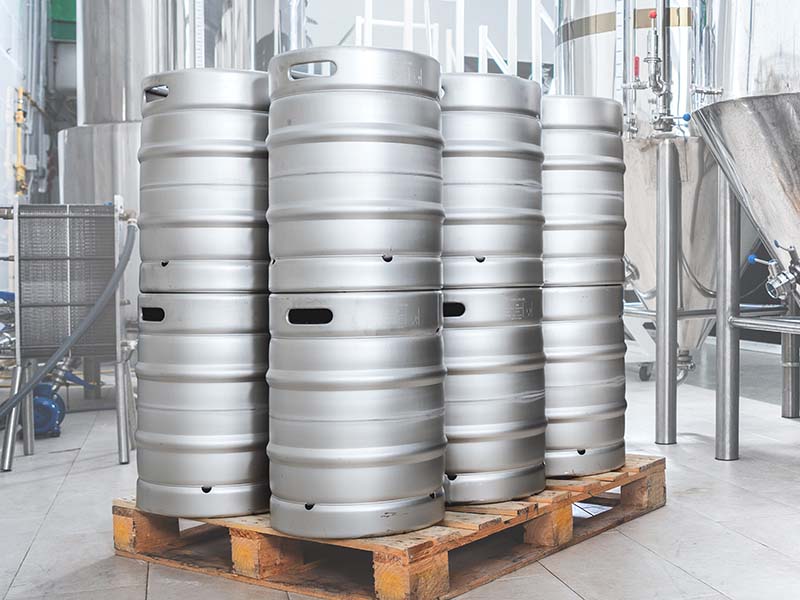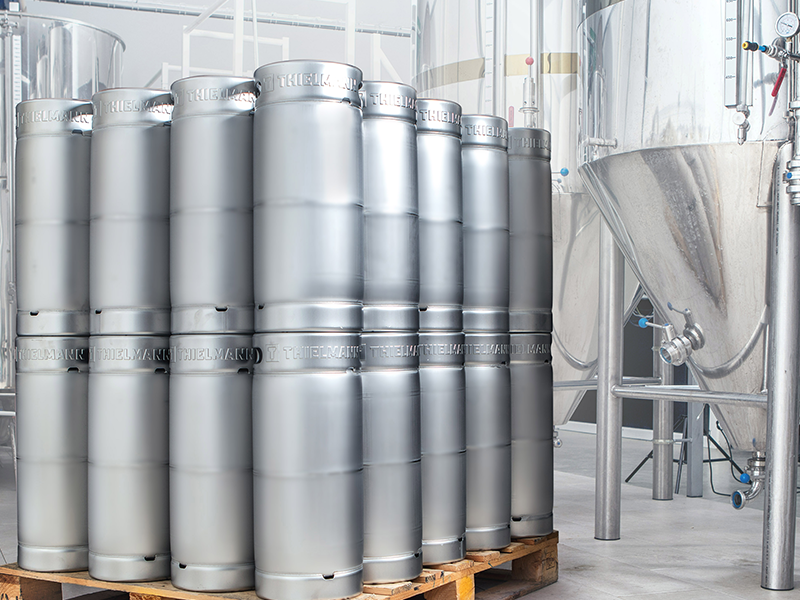
THE CASE FOR KEGS IN THE NOLO BEVERAGE MARKET
The no- and low-alcohol (NOLO) market is growing rapidly, with projections suggesting it’ll reach a value of $23.18 billion by 2030. As demand rises, traditional packaging formats face challenges.


📄 WHITEPAPER


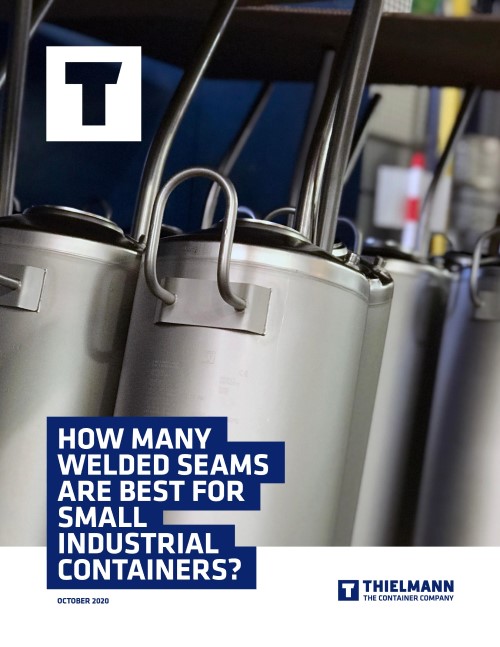
What happens when you manufacture Small Industrial Containers (SICs) with two-welded seams instead of three? In this whitepaper, THIELMANN engineers have examined the mechanical characteristics of both two and three-welded seam containers to determine overall product integrity. To obtain an in-depth understanding of the durability of each container they also performed a series of tests, including, edge impact tests, volume increase under pressure analysis and bursting test behavior. Once complete, a unanimous conclusion was reached that: the best welding seam is the one you never need to make.
Please complete the form below to download your complimentary copy of this whitepaper to your device.
The no- and low-alcohol (NOLO) market is growing rapidly, with projections suggesting it’ll reach a value of $23.18 billion by 2030. As demand rises, traditional packaging formats face challenges.
Many brewers and alcoholic drinks manufacturers are exploring ways to make their packaging solutions more sustainable. In this whitepaper, we use the brewing industry as a model.